

How To Gel Coat Your Boat Repairs
Every bit every boat owner knows, even sturdy fiberglass boats are decumbent to harm from a poor landing, dropped fishing equipment, or a misplaced drill hole. Luckily, scratches and holes in the gelcoat that gives your boat its glossy appearance can exist repaired with a petty patience and the correct technique.
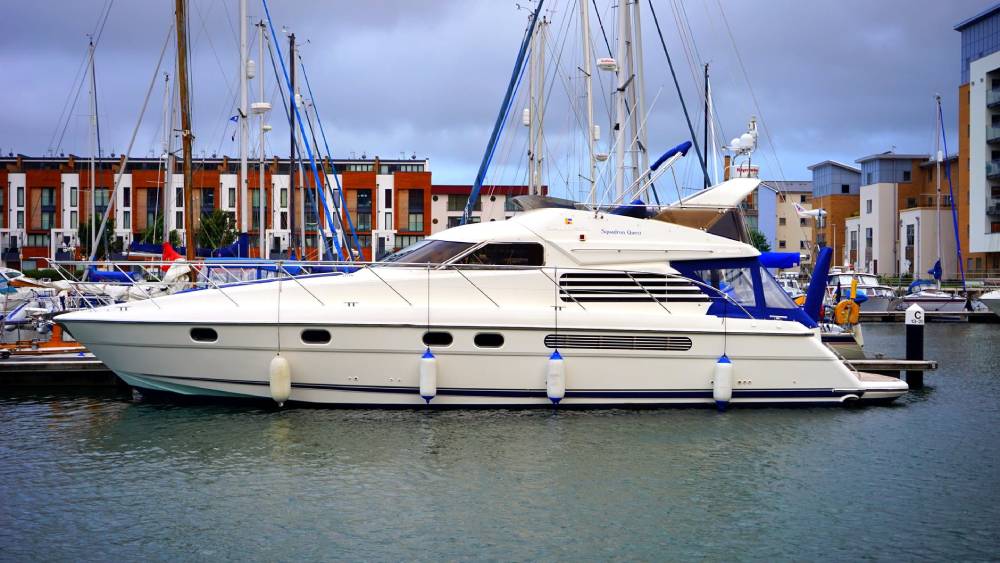
What Is Gelcoat?
Gelcoat is an epoxy or polyester resin-based thermoset polymer that is usually applied to the boat exterior during the fiberglass molding procedure to give a smooth, shiny appearance.
Gelcoat provides more than just a glossy terminate on the boat hull; information technology also acts equally a waterproof barrier to protect the fiberglass underneath from hydrolysis and UV damage. If fiberglass is exposed to water for a prolonged period, it can weaken the structural integrity of the boat.
Despite the durability of gelcoat, the tough film can deteriorate over time. High-performance speed craft, such as bass boats, flex as they move through the water, causing the rigid boat gel coat to crack. Spider and hairline cracks can also occur from environmental stress or impact. The keel is especially prone to damage from accidental affect from underwater hazards.
For more than durable protection in the water, restore your gunkhole surface with an overcoat of Durabak after repairing cracks in your gelcoat. Durabak is a more heavy-duty and flexible alternative to gel glaze that won't scissure or peel over time or go scratched from impact.
How to Restore Gelcoat on a Gunkhole
There are diverse techniques for gelcoat repair, depending on the severity of the harm. If your gelcoat has oxidized, giving it a boring, chalky advent, you can simply utilise a gelcoat oxidation remover to sand and polish the surface to a low sheen without the need for total repairs.
For pocket-sized cracks, scratches, and gouges, you can buy a DIY gelcoat repair kit to fix the bottom of your boat quickly and easily. Hither is our simple stride-past-step guide to gel coat restoration.
Step one: Identify the Boat Finish
Gelcoat cannot bond to a painted surface, so it is vital to place the gunkhole stop earlier beginning repairs. Boats that already take gelcoat , fiberglass, or polyester resin surface do not need any boosted steps before repairing. Painted boats will need to have the paint removed before applying the gelcoat .
Step 2: Surface Grooming
The final layer of gelcoat has a waxy component, then you need to remove the wax from an expanse at least twice the diameter around the damage with a thinner.
For deeper gouge and scratch repair, you need to employ a power drill with a conical grinding bit to create a V-shaped notch to improve the bonding surface. Use lxxx-grit sandpaper to remove loose fries and create a shallow bevel. Make clean up the entire surface area with acetone.
Step 3: Tape Off the Area
Use 2-inch 3M Scotchbrite Painter's Tape to create a i/16th-inch perimeter around the damaged area. Record off any sensitive items or adjacent areas that may be damaged from gelcoat spatter or accidental sanding. Yous can likewise employ masking newspaper to prevent overspray if y'all are using a spray gelcoat restorer. Sand the entire taped-off expanse with 360-grit paper and clean up with acetone.
Step 4: Employ Filler
Deep scratches and gouges need to be filled with resin and an epoxy-based filler earlier continuing. Although more than expensive than polyester filler, epoxy adheres better and lasts longer. However, in that location are additional steps you need to take earlier applying the final glaze of gelcoat and/or boat paint. Once filled and dried, sand the area and clean with acetone.
Step 5: Color Match the Gelcoat
You need to tint the batch of gel coat to match the color of your boat exterior before adding the goad. For newer model boats, inquire your dealer if they can supply gelcoat to match your boat. Alternatively, look for a gel coat repair kit that comes with pigments that you tin add to the resin. Use bright natural daylight to observe the best matching shade.
If you plan to overcoat your boat surface with Durabak for longer-lasting protection, tinting the gelcoat is non necessary. Durabak comes in a wide range of colors and then yous can choose the platonic shade for your boat.
Step 6: Mix in the Catalyst
Later on you have matched the color of the gelcoat to your boat, add together the catalyst. You must mix the base and catalyst in the right ratio. Besides much or too little catalyst prevents the gelcoat from curing adequately. A two-role ratio is considered the proper combination, just always check the manufacturer'southward instructions before mixing.
Consider the viscosity and the method of application. Spray application is considered the best way to accomplish a consistent and accurate coat, specially for a vertical surface decumbent to dripping. To thin your base of operations for spraying, utilise a styrene thinner.
Step 7: Apply the Gelcoat
If using a spray applicator, fill the container with the gelcoat and attach the hose to an air compressor. Use a coat of gel glaze using short strokes gradually moving outward from the damaged area. Allow around 20 minutes between the application of each glaze to let the solvent to flash-off. You may need to apply 5-6 coats to achieve a film of approximately 15- 20 mil.
For brushed applications, use a cream brush or roller to foreclose drips and brushstrokes. Employ the gel coat in short, vertical strokes. Build a film slightly higher than the area surrounding the harm to let for sanding. Subsequently the last coat has dried, coat the expanse with a PVA curing amanuensis and allow it to cure fully.
Step 8: Sand, Buff, and Polish
Remove the PVA and sand with 320-grit wet/dry sandpaper using a soft block. Switch to 600-grit paper and continue to wet sand the firsthand repair site until it is affluent with the surrounding area. Stop with a light sanding using 1,000-grit newspaper and buff the area with rubbing chemical compound. Buffing gelcoat must be done delicately so as not to create oestrus that can stain the surface. Finally, apply a coat of wax-based gel glaze polish.
Gelcoat FAQs
When to repair gelcoat cracks?
Cracks and scratches in gelcoat should be repaired immediately to preclude water from damaging the fiberglass structure of your boat and rusting metal components. Replacing your gelcoat with Durabak is the ideal preventative solution to avoid scratches and cracks to prolong the life of your marine craft.
What is the all-time gelcoat repair kit?
Different kits are better suited to unlike types of boat repairs. However, one brand gunkhole manufacturers recommend is Evercoat, which comes in two sizes and includes all components y'all need, such as base of operations, pigments, catalyst, and cleaning solvents.
How much does information technology price to repair gelcoat?
While repairing gelcoat yourself tin be a good way to save coin, results can vary depending on the brand, extent of the damage, and your skill at gunkhole repair. For large surface repairs, it is recommended that yous take your boat to a professional person, which tin cost between $seventy and $110 per 60 minutes.
Durabak: The Better Alternative to Gelcoat
Unfortunately, even with an excellent repair task, your gelcoat will not last forever. Eventually, your gelcoat develops spider cracks and peels every bit the picture show becomes dry and brittle. Full gel glaze restoration is also expensive and time-consuming to prepare.
Durabak can be used as a superior alternative to gelcoat. Durabak is more affordable, stronger, easier to apply to your fiberglass boat, and the U.S. Navy trusts information technology for heavy-duty repairs. Durabak is used on the decks of eleven nuclear aircraft carriers and many warships and naval vessels. It is besides available in more colors than gelcoat, which gives y'all flexibility for repairing or replacing your boat's surface.
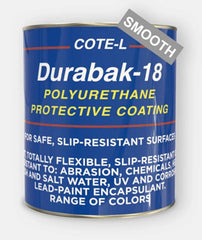
Durabak is a polyurethane protective coating designed to withstand the harsh marine elements. Unlike gelcoat, which cracks and peels over fourth dimension, Durabak protective coating is flexible one time practical and resists scratches and impact damage for years. The special formula is designed to be UV-resistant and waterproof, and the color does not fade or dry out, and then your gunkhole surface remains in pristine condition.
Durabak is available in Smooth and Textured versions that can be used together for a very rough and grippy finish, a totally polish stop or a barefoot friendly finish with grip by coating smooth over textured Durabak which is gentle on your feet and easy to clean.
How to Apply Durabak
- Before applying Durabak, y'all need to make clean the unabridged boat surface with a mild household dish detergent. Once dry, roughen the surface with twoscore-dust sandpaper and wipe clean with Solvide or xylene solvents. Tape off any areas that you practice not want to paint with Durabak.
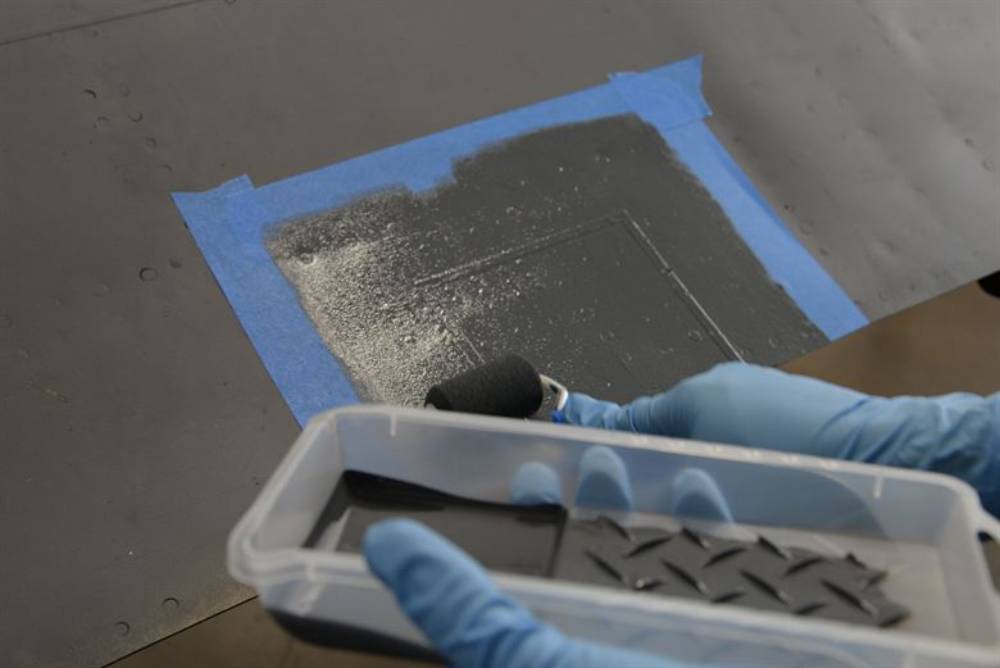
- Merely open a fresh can of polish Durabak just earlier you are ready to paint the boat surface. Stir the can well, then utilise a cream paintbrush to edge in whatever tricky corners. Go along the chapeau on the can, only removing information technology to stir and pour actress Durabak into the roller tray; Durabak begins to cure every bit shortly every bit it comes into contact with the air.
- Cascade a modest amount into a roller tray and apply the first coat to the gunkhole surface using a short nap roller. 2 coats are the recommended level of coverage. Y'all can employ the 2nd coat after the first is dry to the touch, which is approximately 1-2 hours.
- Later the second coat has been applied, exercise non touch the surface for at least 24 hours. Remove any painter's tape as soon equally you take finished the second glaze. It takes between 5-vi days for the overcoat of Durabak to fully cure.
The Last Discussion:
Whether yous are restoring oxidized gelcoat or fixing small-scale repairs, a DIY gelcoat repair kit is an affordable mode to restore the appearance of your boat hull or even better, accept a serious look at Durabak.
Prototype Credit
https://images.pexels.com/photos/144634/pexels-photo-144634.jpeg
https://media.defense.gov/2015/Jul/22/2001285700/780/780/0/150720-F-VB168-431.JPG

How To Gel Coat Your Boat Repairs,
Source: https://www.durabakcompany.com/blogs/durabak/gelcoat-repair
Posted by: stewartlighly.blogspot.com
0 Response to "How To Gel Coat Your Boat Repairs"
Post a Comment