

Intel Alchemist gaming GPU release date, specs, price, and performance | PC Gamer - stewartlighly
Intel Alchemist gaming GPU spill date, specs, price, and carrying into action

- Release day of the month: Q1 2022
- Codename: Alchemist
- Computer architecture: Xe-HPG
- Physical process: TSMC 6nm (N6)
- Operation place: Nvidia GeForce RTX 3070 (rumoured)
Intel Alchemist, aka DG2, GPUs are coiffe to become the first gaming graphics cards spun out of the Intel Xe-HPG thread, something that is promised to be the basis for many Thomas More competitive GPUs from the chipmaking goliath. Alchemist also happens to be the first oblation from Intel's superior graphics brand, Spark, which covers hardware, software and services. IT's entirely set to gripe-turned at the start of next year, when we'll see Intel put its best foot forward in hopes to heave open the hydraulic suitcase of Nvidia and AMD all over gaming GPUs.
Thither are two distinguish battles in PC gaming hardware: Intel vs AMD and AMD vs Nvidia. It's been that way for millennia. Operating theater a handful of decades, at least. Still that could be all active to change with Intel Alchemist and the Xe-HPG computer architecture. Intel will be hoping to claim a stake of a market historically split betwixt the red and green teams and with it a share of the large profits on offer from gaming GPUs.
Intel isn't all a stranger to the GPU market, either, as it's one of the largest GPU makers in the world away sheer volume. All but a couple of Intel CPUs come with an intermingled GPU, and while that won't meanspirited all that overmuch to gamers, that silicon actually forms the basis of Intel Xe-HPG, the computer architecture powering Intel's high-end gaming dreams.
Atomic number 54-HPG is natural out of both Intel's Xe-LP and Xe-HPC architectures, but with some specialised twists. As Intel has since explained at its Computer architecture Solar day 2021, Xe-HPG is built for play outset.
Even before we nosedive into the architecture, though, Intel's entry into the graphics game is a welcome one. As GPU prices rise, not the least bit more nowadays that shortages are rampant, it's high time someone else gave AMD and Nvidia a run their money.
Whether you're a potential customer, on the fence, or a traditionalist fan of the other guy, Intel Alchemist and Xe-HPG should get you excited like a banter at Christmas.
Specifications
Intel Alchemist specs
Intel Alchemist ISN't a unique graphics card, information technology's actually a graze of graphics cards. We had hoped-for a segmentation along the lines of Execution Units (EUs) and memory, although that isn't only accurate nowadays as Intel has shifted from the humble EU in favour of the modern, all-encompassing Xe-core.
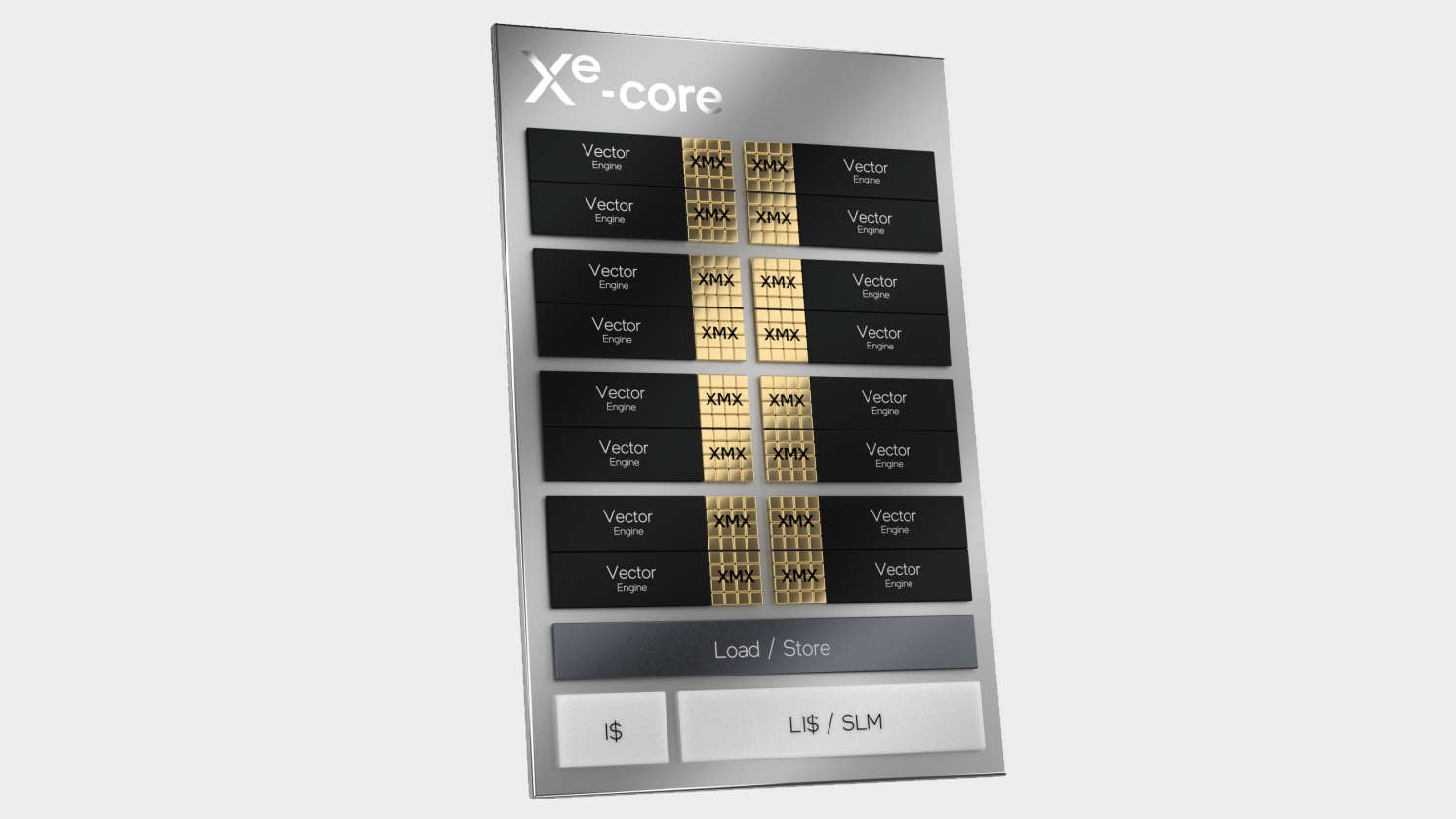
The Xe-pith is the new fundamental unit for Intel's gaming GPUs.
This doesn't entirely change things up, as both Xe-core and EU should share the same requirement functionality of grouping together ALUs. However, the Xe-cores in Xe-HPG are not analogous with what came ahead, so our optimal laid plans for possible specifications are just slightly awry.
The spick-and-span Xe-core inside Alchemist GPUs features 16 Vector Engines and 16 Matrix Engines, which is actually double that found in Xe-HPC. Intel says this was a determination it ready-made to put gaming first for its Alchemist GPUs, and was needful to build out monstrous gaming graphics cards.
So how many Xe-cores and Render Slices will be found within Alchemist GPUs? Information technology's a sainted question, and so far we're still working with rumours supported the assumption these would be EUs.
Previous rumours (via a non-actualised twirp from leaker Komachi_Ensaka) strongly suggested a 512 EU and 384 EU configuration out of Alchemist, which may stillness prove true if you simply switch out the phrase EU for Transmitter Engine.
If everything had remained the same between Xe-HPG and Xe-LP, the version found within Intel's current generation 11th Gen Tiger Lake mobile processors, then we could've awaited the combining weight of a total of 4,096 FP32 cores within the 512 European Community micro chip. That's extraordinary eight-panoramic ALU per EU, each capable of eight floating-repoint operations per clock.
With the freshly Xe-sum, it looks care you can instead substitute an eight-comprehensive ALU per EEC for an eight-wide ALU per Vector Locomotive engine, so you're more or inferior look a similar makeup.
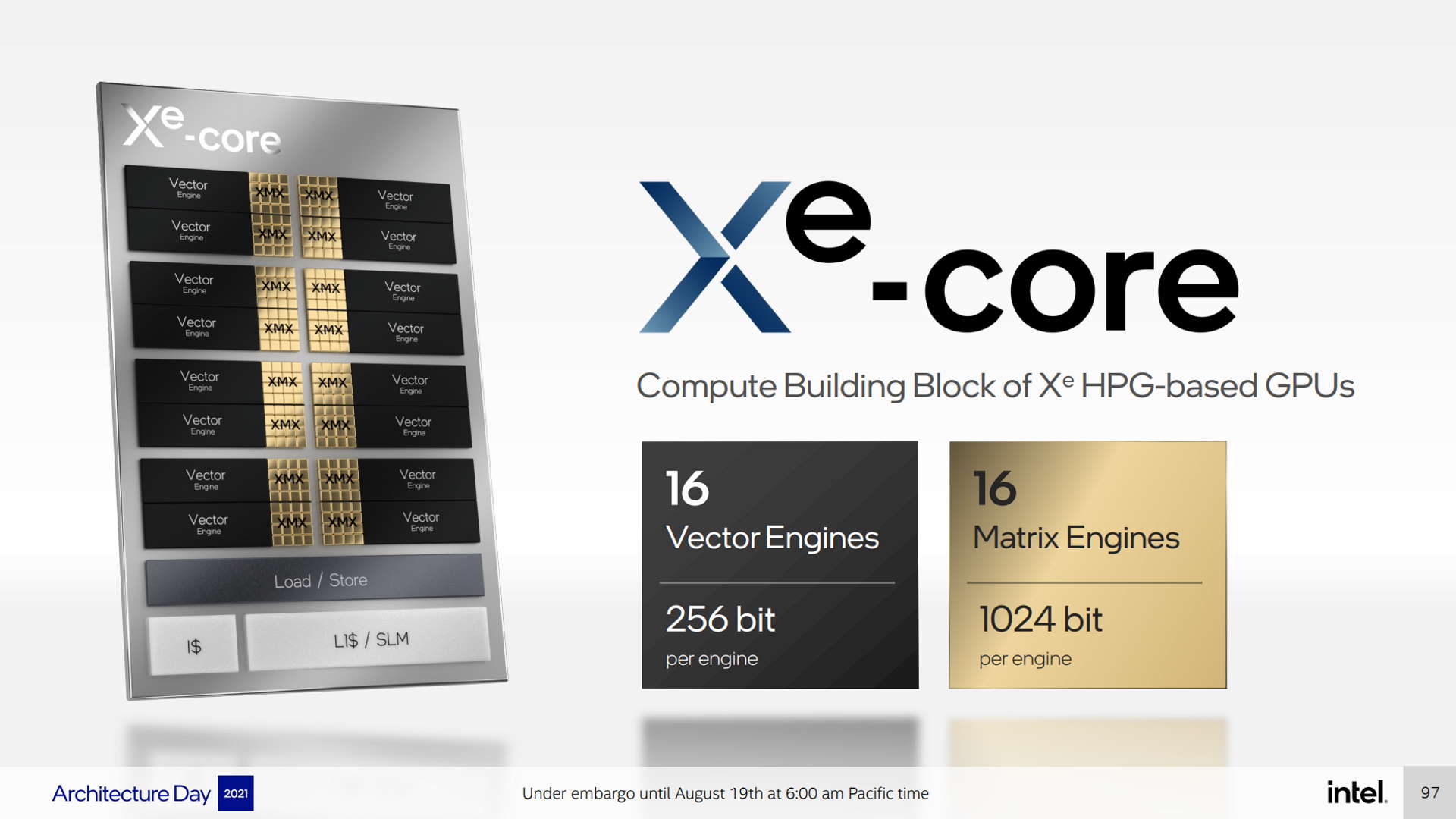
Those Matrix Engines are extremely interesting, too. You can slur them connected the plot above marked as XMX, which stands for Xe Matrix Extensions—au revoir atomic number 3 you liberally give Intel the 'X' in 'Extensions'.
These cores deliver acceleration for Bradypus tridactylus workloads, such as inference tasks for deep learning. Flirt with them like Intel's version of Nvidia's Tensor Nucleus.
Intel plans to use these cores for all manner of AI tasks, merely namely it's the speedup of its Xe Super Sample distribution (XeSS) upscaler that has United States of America excited from a gaming point-of-view.
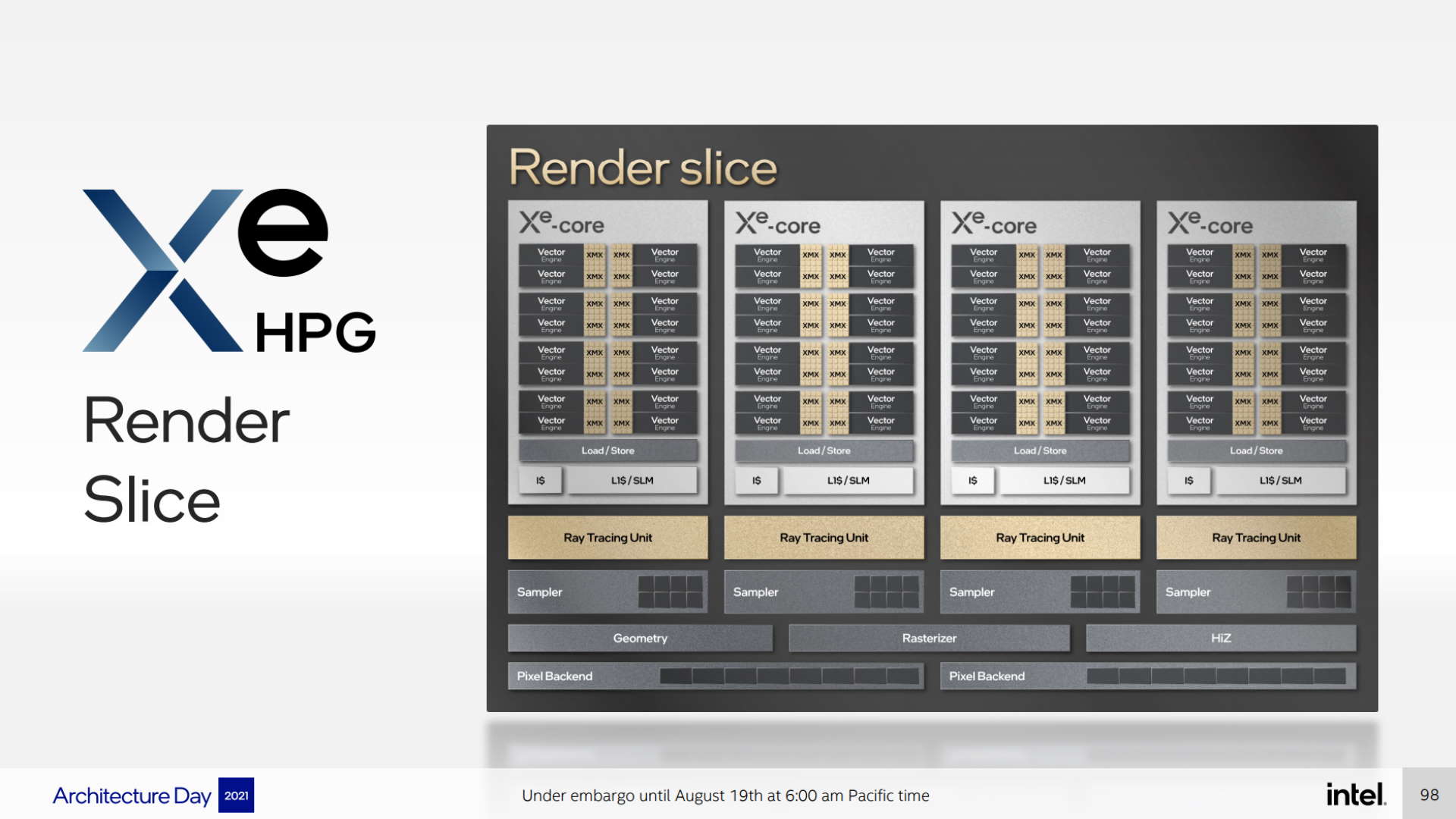
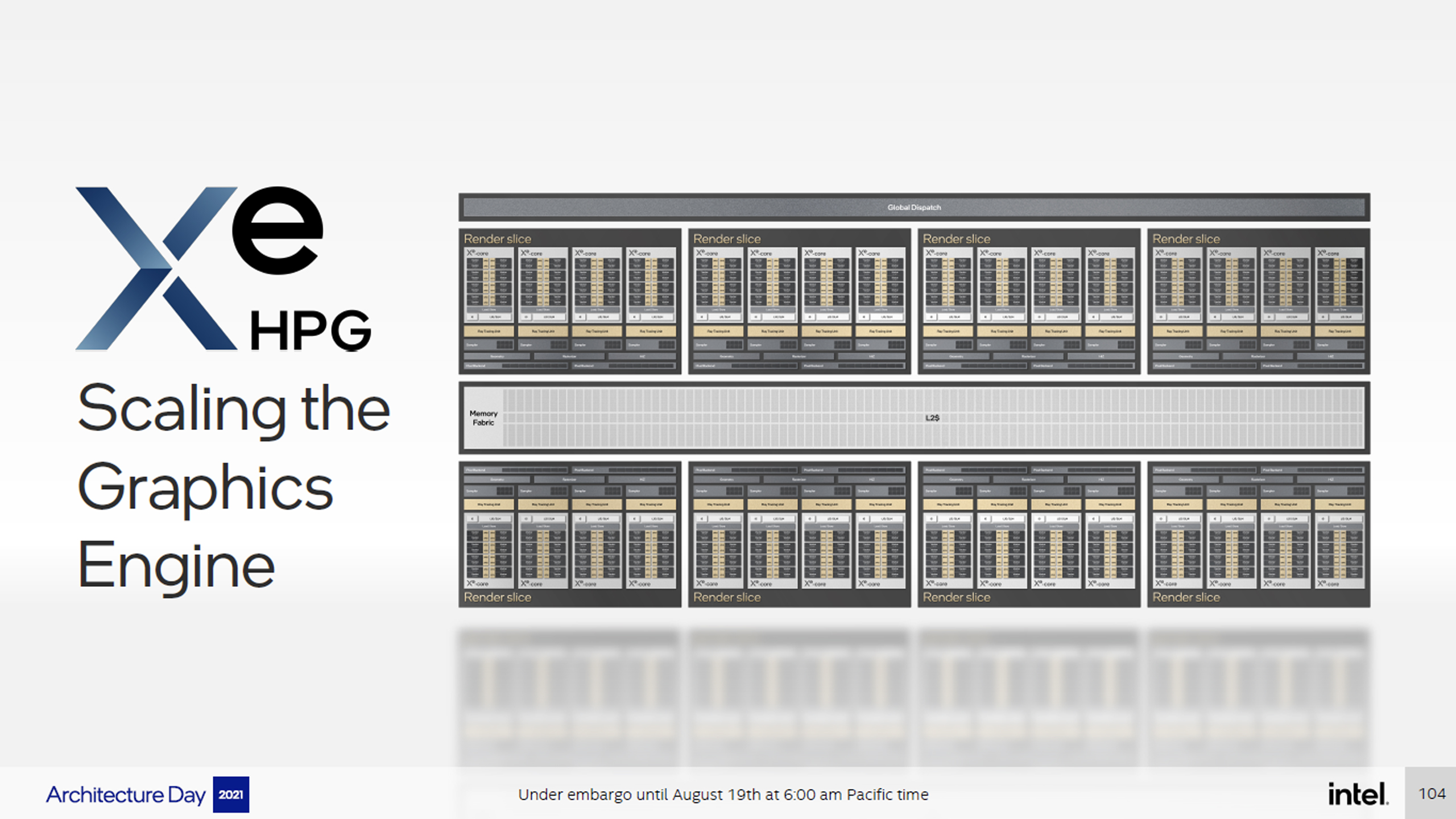
Zooming out some, and things get really interesting for this gaming architecture. Four Xe-cores combined get ahead a Render Slice, and within each Render Slice resides up to four Ray Tracing Units.
These units accelerate genuine-sentence ray tracing workloads, which Intel has confirmed will represent supported with its Alchemist graphics cards.
That's non the only DX12 Final feature on the agendum, either. Intel has affixed fixed function units within a Render Slice to support sampler feedback and mesh shading on Alchemist.
Up to eight Render Slices combined will make up the top rumoured Alchemist graphics card, which already seems like a mighty amount of money of silicon to contain on AMD and Nvidia at their own game.
At least it has a name to hug dru up against those behemoths though, with Intel Bow. IT's a start.
Intel says Electric arc covers everything from hardware to software, sol more than likely we'll go through Intel improved and expand on its Command Shopping center application soon enough for launch, too, which information technology has been gradually improving over the ago few years apparently with this play-focused implementation of Xe in head.
Intel has also secure further features such as capture and streaming to its software solution, so more is definitely on the room for Chipzilla's Command Center.
Launching a artwork card is as so much a software take exception arsenic it is a hardware unmatchable—if you ask Intel's chief architect, Raja Koduri, he'll tell you that package is the conniving office, in fact. As such it's just as important, if not more so, that Intel nails its device driver package at launch.
Forwards to memory configuration and it appears as though Intel is keen to meet AMD and top Nvidia in unanalyzed memory capacity. Paired with Intel's Xe-HPG GPU is said to be equal to 16GB of GDDR6, operating betwixt 14Gbps and 18Gbps. That's altogether information pulled right from Intel's site in the aforementioned leak.
Intel is suspected to use a 256-snatch bus for the top 512 EU graphics card, which will put it connected par with Nvidia's RTX 3070 and AMD's Radeon RX 6800, although the latter does benefit from Eternity Memory cache.
We've less tangible information in office demand and TGP, but in that location are some comparatively broad assumptions to be made from Intel's quality of foundry and process. It's not its own, in what might have once been considered a blasphemous statement for Intel's engineers. Intel has addicted it leave be outsourcing production of Alchemist GPUs to another, TSMC for its 6nm N6 process.
I hint to the eventual powerfulness demands of Alchemist comes from YouTuber Douglas Moore's Law is Dead, who claims to have images of an Intel DG2 card interpreted during examination, and these intelligibly show an 8+6-pin power connection frame-up. They also advise a 275W TDP, which is a bit greater than previous expectations but still well inside the realms of possibility.
So no confirmation on mightiness as of in time but a corded whereabouts of 225-275W. That's in the right ballpark for what a card reportedly taking aim at Nvidia's GeForce RTX 3070, too.
Performance
Intel Alchemist performance
Altogether rumours allude to Intel Alchemist's top chip winning object at Nvidia's GeForce RTX 3070.
From the specifications to the caller's tall aspirations, it makes sense for the Alchemist's finest to consider Nvidia's third-foot race card as a worthy opponent. That's no pleasing feat for a first-generation gambling architecture if Intel could achieve it, though.
Nvidia's RTX 3070 is a hard-boiled card to beat, surgery even match. A per the benchmarks below. This is a card that holds its own with Nvidia's finest, priciest GeForce card from just a single generation prior.
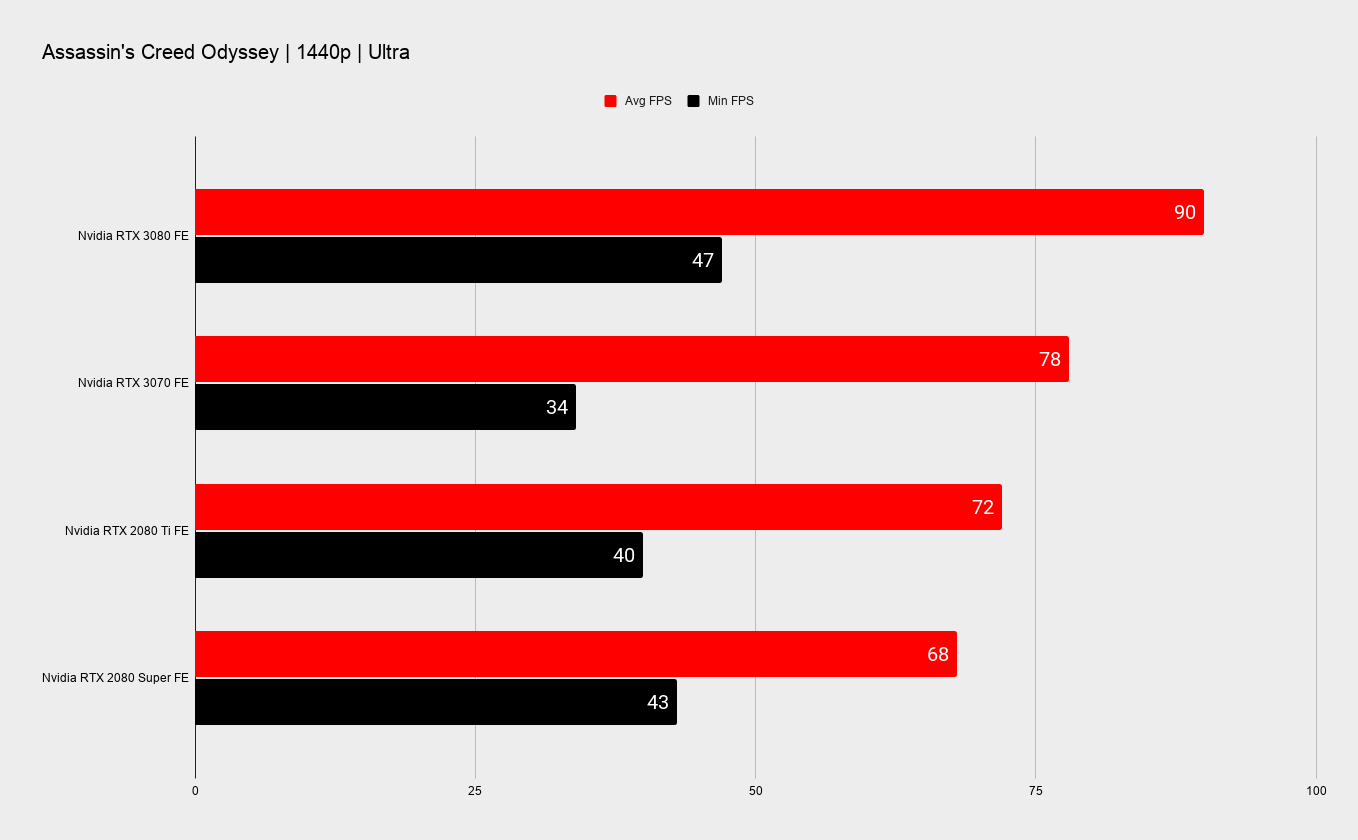
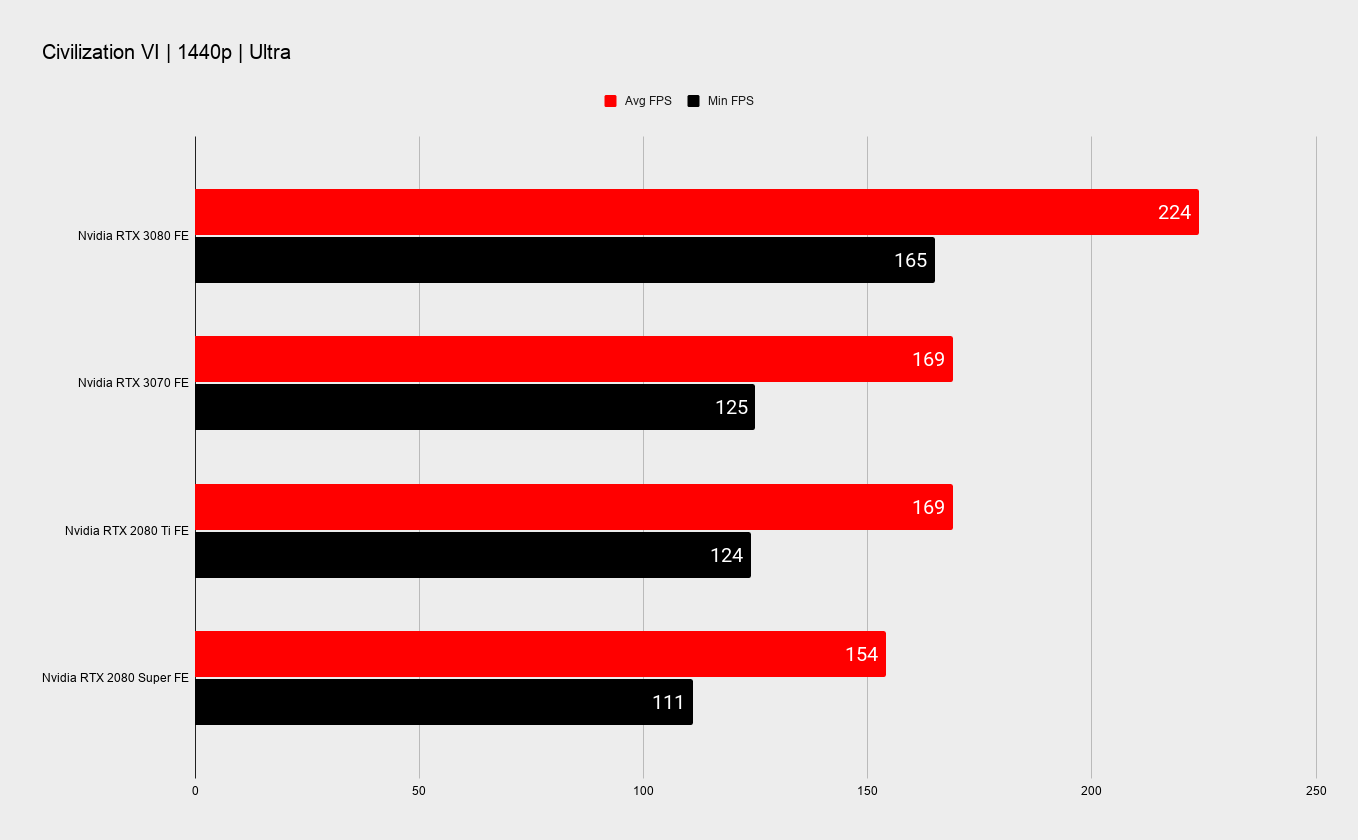
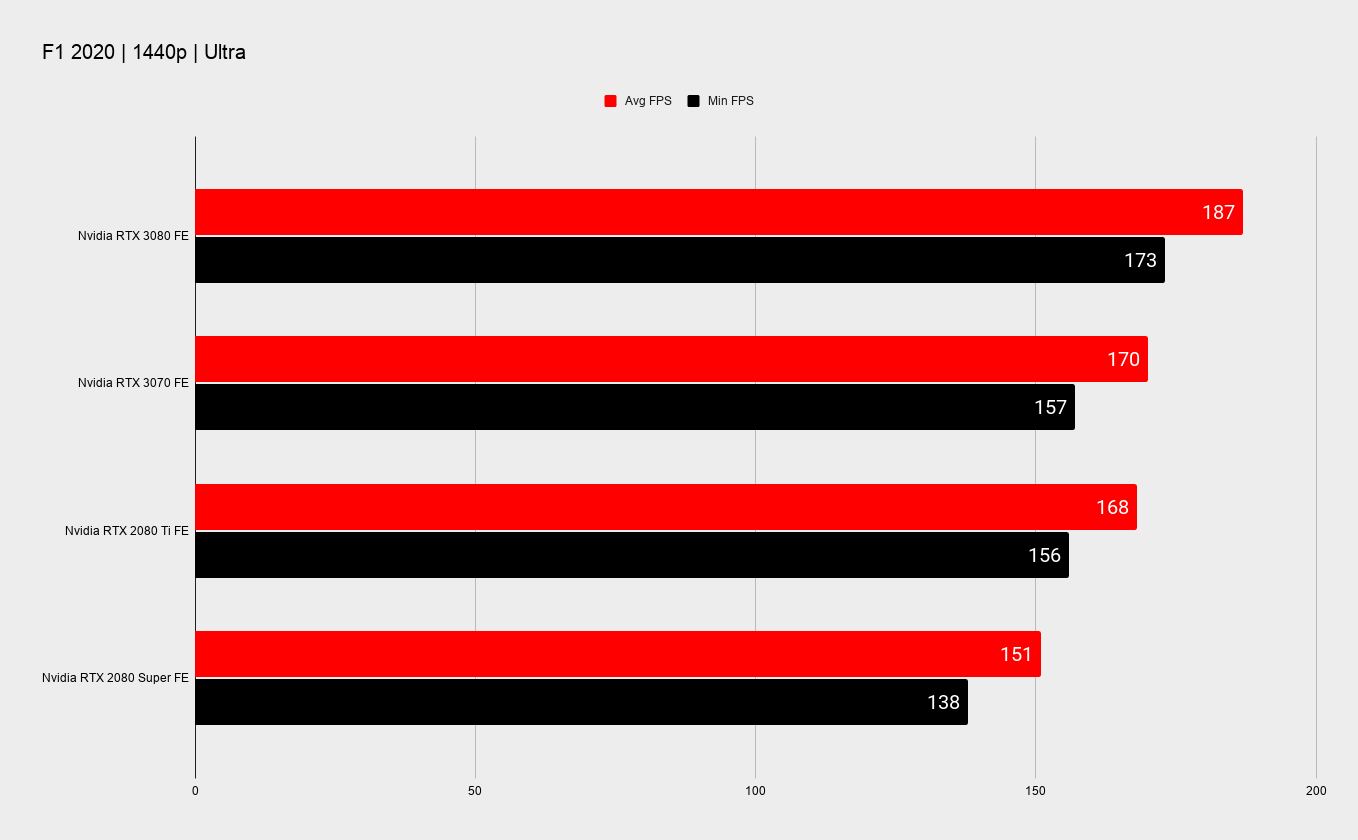
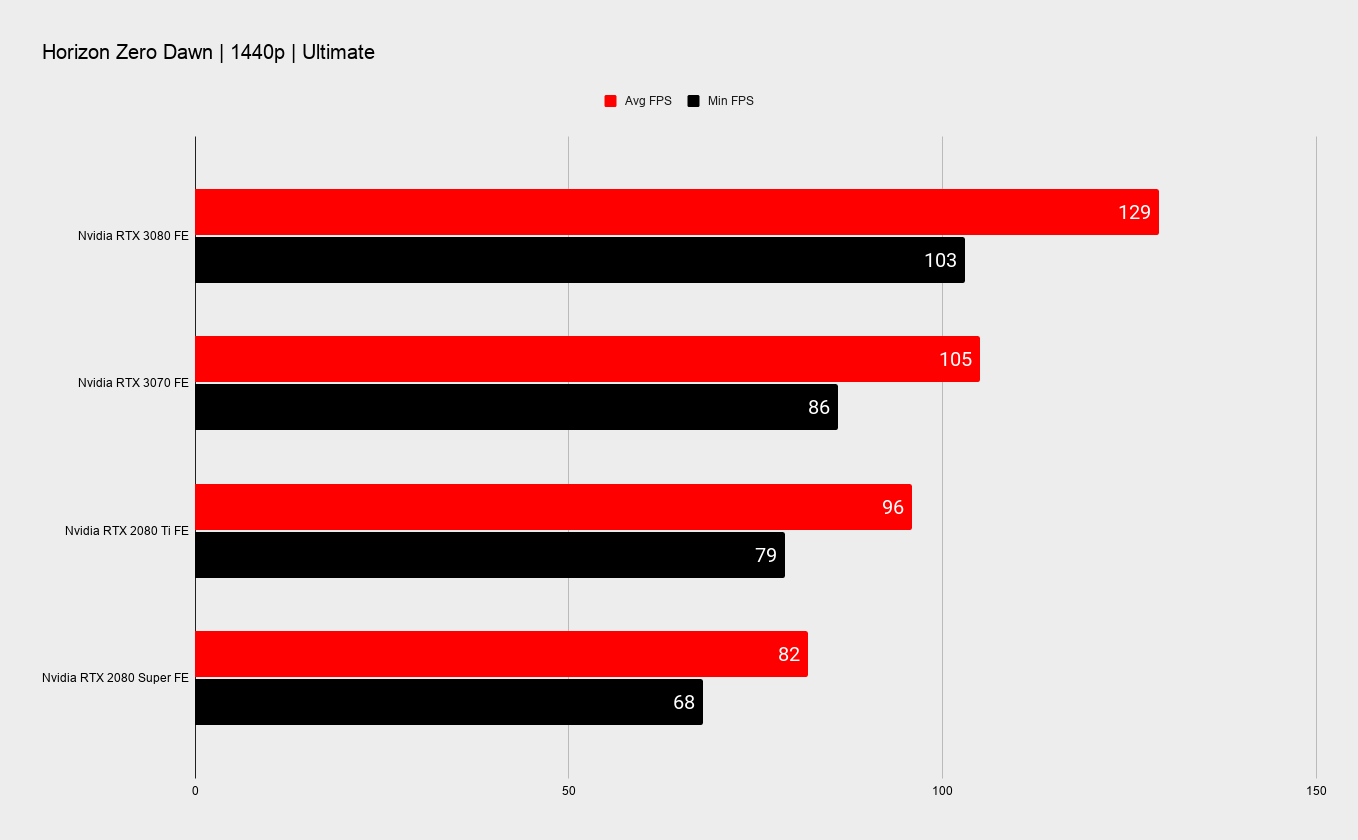
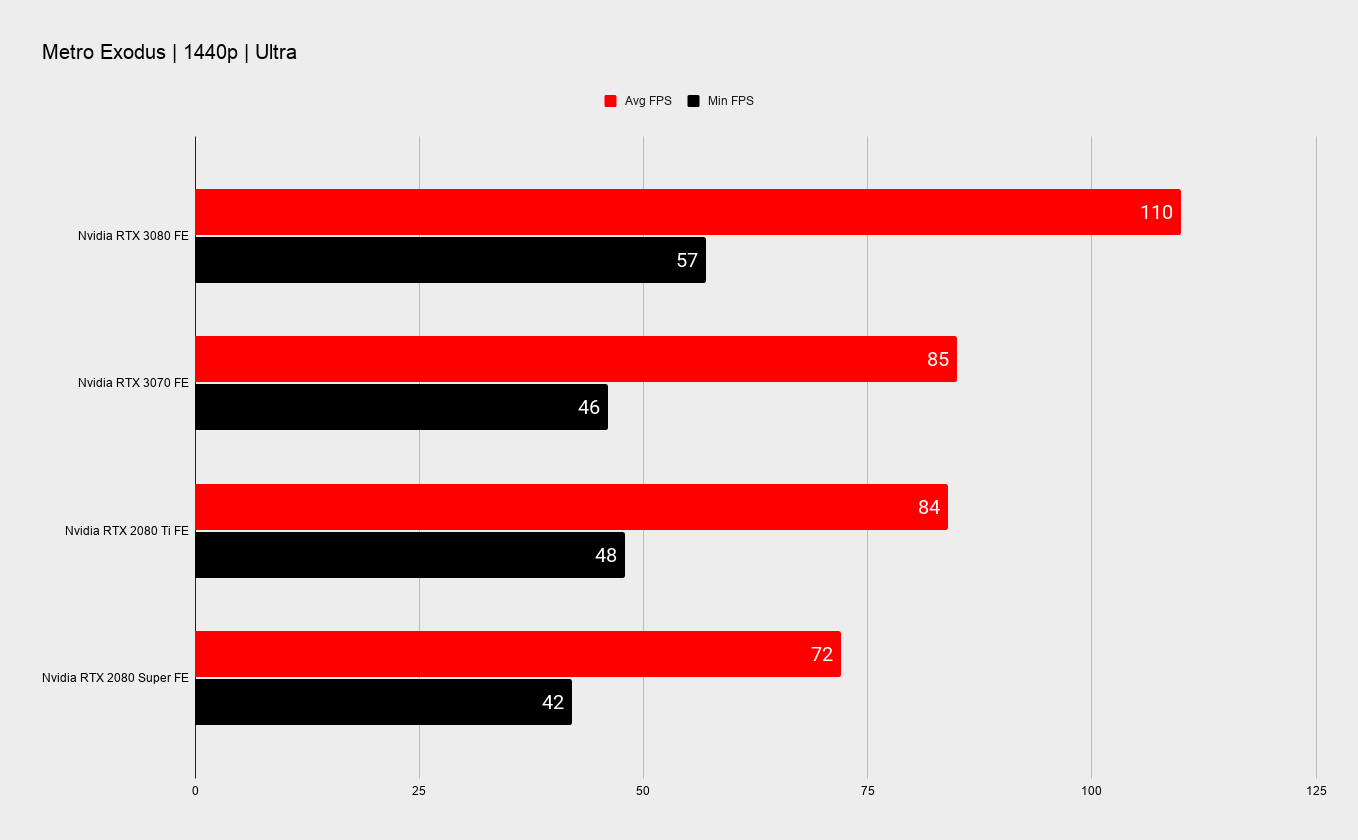
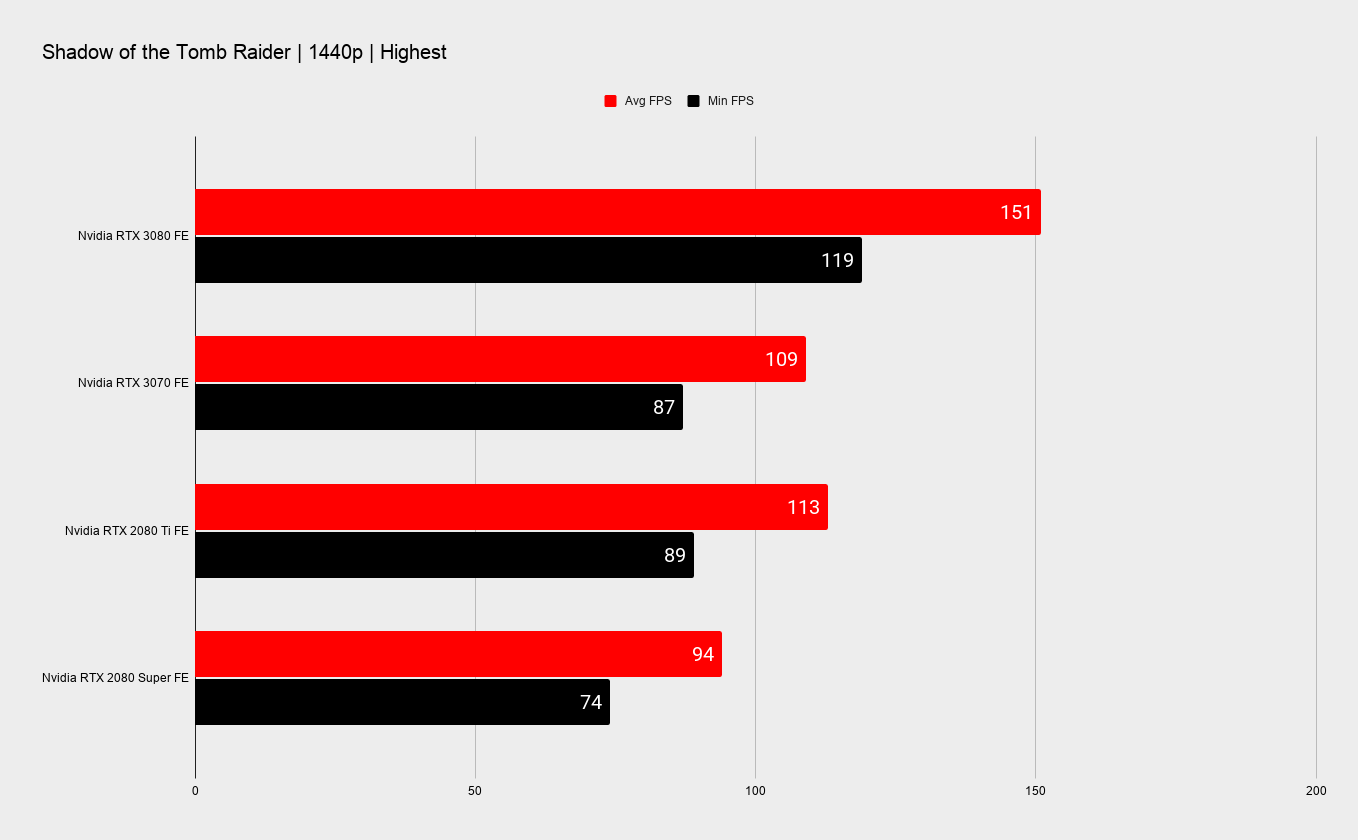
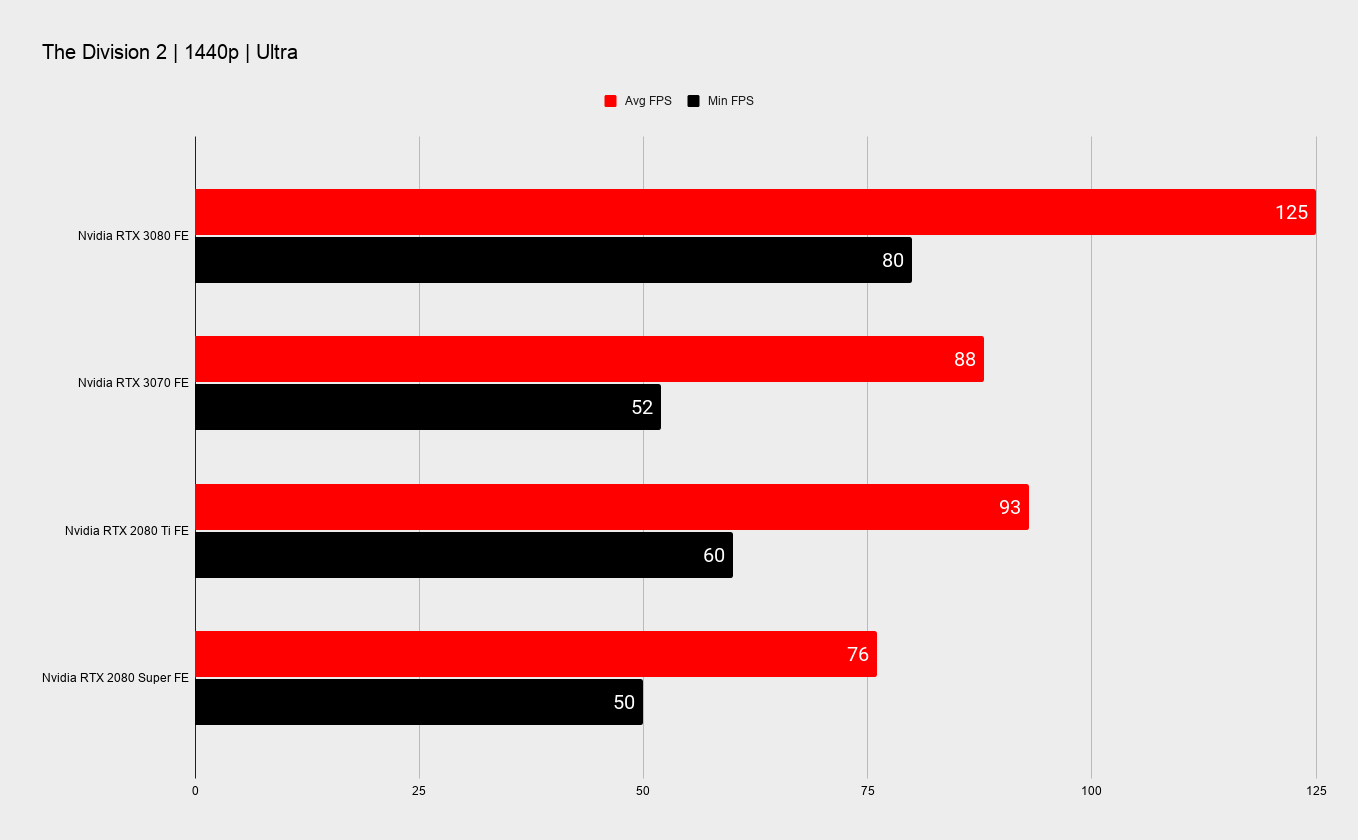
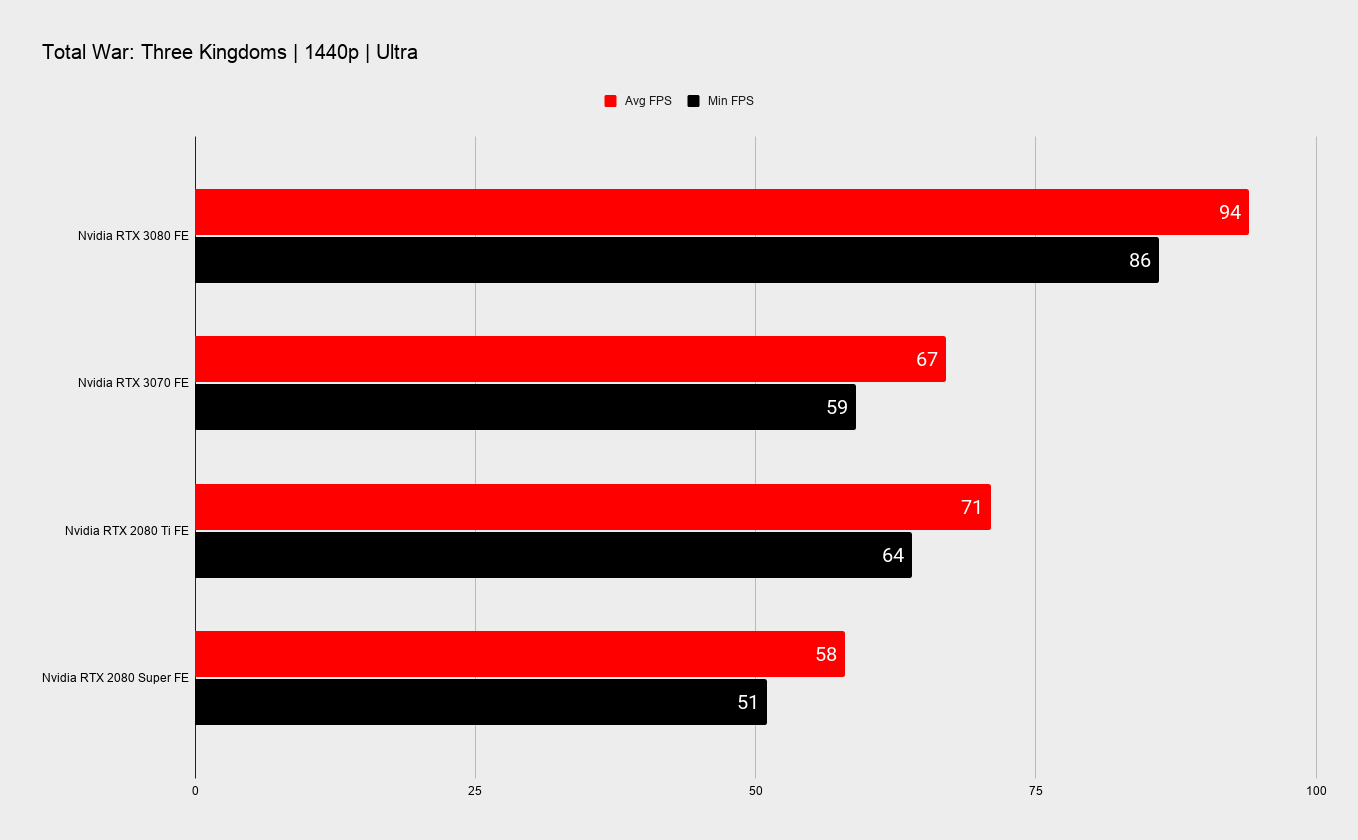
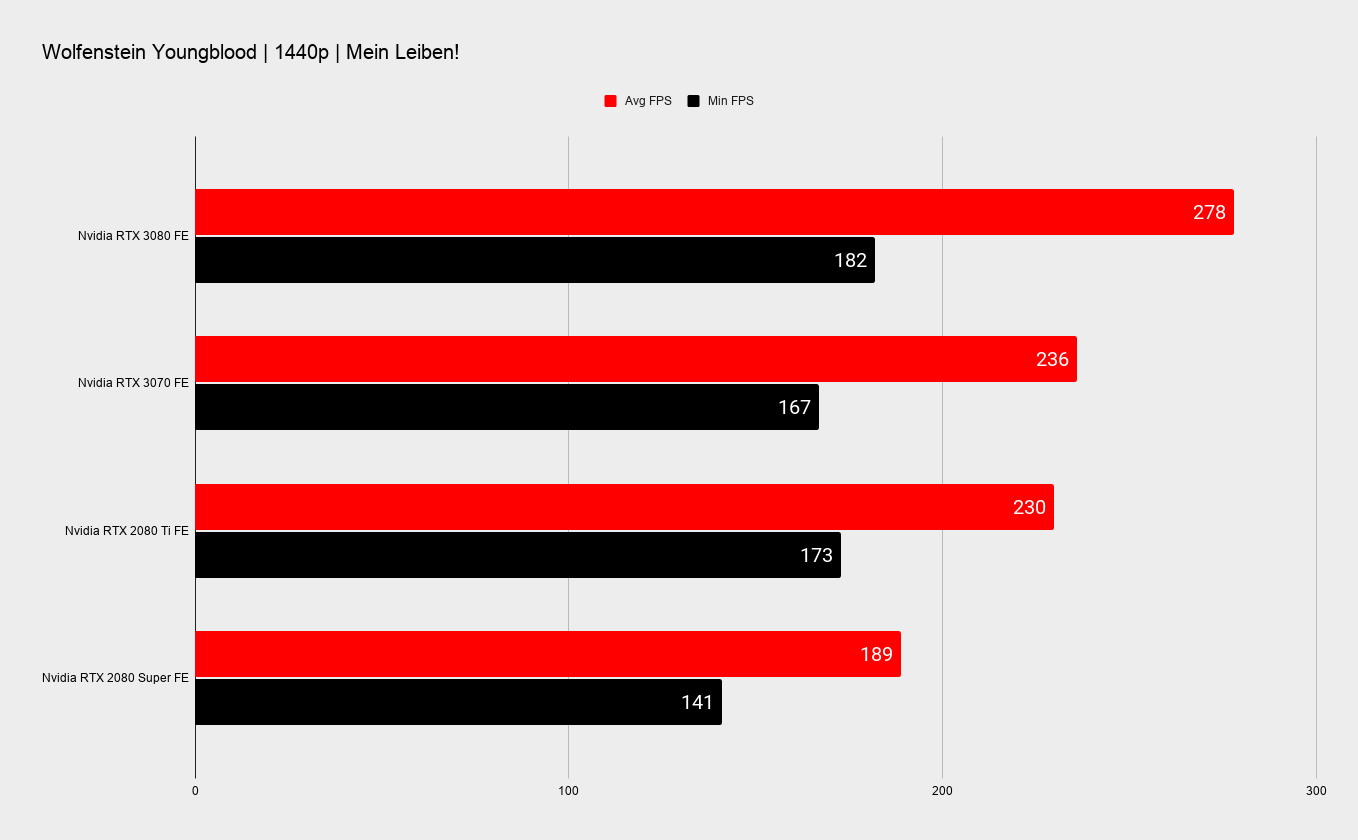
Woefully we've very little evidence to prove Intel's proficiency, Beaver State want thereof, today. The specs check out, and all appears well in naked bandwidth and compute capableness, but building a GPU requires a holistic and universally fine-tuned approach, thus cured have to look and see how this same shakes out for the complete picture.
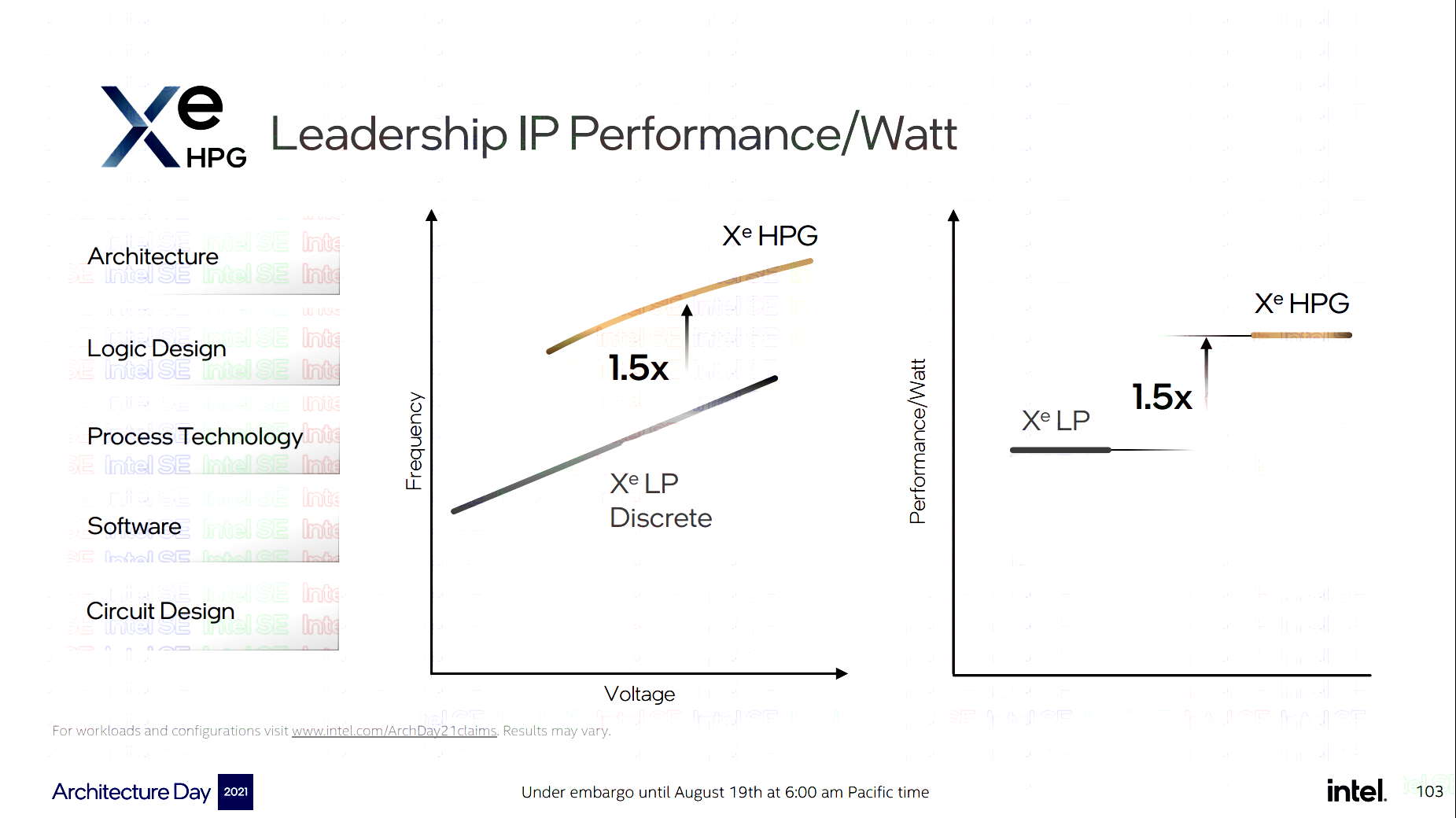
Intel has released information regarding the performance/Watt and frequency boost we can expect with Xe-HPG complete Xe-LP, at to the lowest degree, and it's looking like a 1.5x gain in both regards.
That could put Alchemist GPU clock speeds upwards of 2GHz, as Xe-LP in discrete build, the Iris Xe Max, is capable of up to 1.65GHz.
At to the lowest degree there is a possibility for a truly competitive card here, then. And even if IT's not an RTX 3080 Atomic number 2, with relatively low numbers of whatsoever graphics lineup outer in the market nowadays, a new manufacturer with its own dedicated GPU furnish could prove itself of critical importance for gamers difficult to hang-up whatever discrete GPU in 2021.
Yet with TSMC at the helm, a company that is under much of pressure to deliver chips as is, can Intel genuinely tip the scales? Fingers crossed.
Price
Intel Alchemist toll
We're well into the speculative thicket now, with potential pricing truly the land of guessing and haruspicy. Yet in that respect's at least a price range we can safely assume from our rough estimates of performance.
Intel will ask to be competitive with AMD and Nvidia to even stand a chance of making inroads into the gaming GPU market. Bar any agio pricing model from Intel, who admittedly has priors pricing its own chips into obliviousness (just look after at the Core i9 11900K), we should expect an top terminus ad quem of $579, the price of AMD's RX 6800, and a lower-end damage of $399, the price of Nvidia's GeForce RTX 3060 Ti.
Of course, I'd love to control an even cheaper card to kick out AMD and Nvidia into a furious pricing war, but sadly GPUs, memory, PCBs, and hundreds of minor components all enumeration up. In that respect's a price floor to Intel's efforts that I doubt Chipzilla will be willing to go below.
Release date
Intel Alchemist unloose date
The assumption was that we'd see DG2 away the end of the year, just with the announcement of its Curve brand and the Alchemist codename, Intel has declared that we'll see the premier graphics card game at the start of 2022.
There was mention of an Xe-HPG set in motion this year from the official Intel Graphics Twitter account, only the Alchemist promulgation on August 16 undermines that. We're going away to have to wait until Q1 2022 apparently. And right now, that seems like a long way off.

Francois Jacob earned his first byline writing for his own tech blog from his hometown in Cymru in 2017. From there, he graduated to professionally breaking things at PCGamesN, where he would later win command of the outfit closet as hardware editor. Nowadays, as senior ironware editor at PC Gamer, He spends his days reporting on the latest developments in the technology and gaming industry. When he's not writing about GPUs and CPUs, you'll find him trying to get as far away from the modern world as possible by wild camping.

Source: https://www.pcgamer.com/intel-dg2-gaming-graphics-card-release-date-specs-price-performance-xe-hpg/
Posted by: stewartlighly.blogspot.com
0 Response to "Intel Alchemist gaming GPU release date, specs, price, and performance | PC Gamer - stewartlighly"
Post a Comment